We recently began reading The Order of the Phoenix in my Harry Potter group, and the theme for our discussion of the first ten chapters was “Names.” The facilitators asked us all to come with an anecdote about our own names to share. The stories that came immediately to my mind were about nicknames. My name is Irish, with an Irish spelling—we were always adamant in my family (as I’m sure all families with Caitlins are) that we spelled it correctly: no Ks or Ys—and whether for that reason or any host of others, I’ve never been a fan of nicknames. I am Caitlin. Not a Cate or a Katy. Caitlin. I had a roommate in college (a really terrible fit for many reasons) who wanted to be called Barbie and asked me if I preferred Caitlin or something else. I told her “Caitlin,” and she proceeded to call me “Katy” for the rest of the year. I fumed. No nickname really stuck until my next roommate (an excellent fit for many reasons, and still one of my dearest friends) and I were sitting around one evening and decided we needed “English butler names.” At that point I became Charles. And it stuck.
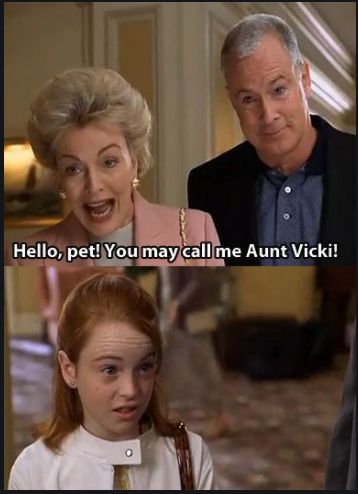
Most of the anecdotes people brought to our reading group that night were similar to mine, but, as is often the case, our discussion turned more philosophical as the evening progressed, and it set me thinking along a well-trod path about names and identity. Our names and how they’re used end up meaning so many things throughout our lives. Do we like to use our full given names or nicknames? Is one version a formal version and one for closer acquaintances? Do we like to use our middle names or leave them out? What about adding titles? Growing up in the American South, I was always taught to use Miss, Mrs., Mr., Ma’am, and Sir as a sign of respect to adults, but I had a friend whose mom insisted we call her “Vickie.” She would make us say it three times in a row if we slipped and called her “Mrs.” The title changed how she felt and how we felt around her. Then, in all my theater experience— starting in middle school and running right through college—my teachers, directors, and professors all insisted on being called by their first names instead of their titles. It intentionally changed our relationships with them. There was still authority and respect, but also more equality. On the other end of the artistic spectrum, when I worked in the symphony, I learned more about earned hierarchy through very specific titles that were used throughout the orchestra instead of people’s names. That created an environment of more formality where people’s identities were very firmly tied to their art and their earned positions in the group. Since moving north and working in retail, I’ve learned that most people up here seem to actively shun more formal addresses like “ma’am” and “sir.” People have told me that it makes them feel old. Again, the honorific or lack thereof changes the relationship and the interaction, and in this case, gives a person a very strong indication of place as well.
While there are certainly reams to unpack on the level of etiquette, I’ve been thinking a lot more lately about what names and titles and other words mean on a more personal level. In light of J.K. Rowling’s vocal transphobia, we’ve talked a lot about the transgender experience in my Harry Potter group. I have learned a great deal from the trans members of our little family, and both our discussions and our practice of sharing preferred pronouns have had me thinking about the little words he, she, and they. I have personally never been comfortable with the word “woman” and all its implications and have struggled mightily through the years in my relationship to the very traditionally feminine body my genes have seen fit to give me. Over time, though, I have found ways of performing femininity that suit me very well, and I remain comfortable with the feminine pronouns. I know I am extremely lucky to have fallen closer to one of the normative ends of the gender spectrum, and that my own struggles with names and words and their associations truly pale in comparison to what so many others have to endure on their journeys. And yet, there is a word with which I have grown irreconcilably uncomfortable in recent years. That word is my given last name.

Until recently, I had always thought much more about how first names influenced identity. Surnames could be helpful markers tying a person to a family and a culture, particularly in our increasingly global world, but I can’t say I ever gave it much thought beyond that. I had always moved comfortably along with my father’s family name—the traditional thing, the one on my birth certificate, enjoying the way it tied me to Scotland and northern England—even though I never moved very comfortably among my father’s side of the family. I never felt entirely at home there, always a little on the outside of things. The divide widened as I grew older. There were many reasons why, but I always tried to stay politely, peripherally in touch. They were family, after all. More years passed, I grew, I moved, I considered; I began to be able to pinpoint the things that divided us and why. And finally, about three years ago, the tenuous relationship I had been maintaining with my father and his family became untenable. At that point, I realized my last name didn’t fit me. It felt completely wrong, like it belonged to someone else. My middle name is a family name from my mother’s side. I started using that instead, and I cannot adequately describe to you how the change has made me feel. It just fits. It seems so obvious. Of course, this is me. This is my family, the one I’ve always been close to. I feel more fully myself. I feel unshackled. I feel free, and I feel like me. Words are not small things.

As I’ve settled more fully into this choice, I’ve refrained from making any real legal changes for one reason. I’m planning to change my name again soon. I’m getting married. I’ve thought a lot about this change as well. Both in the years before I met Dylan, and as our relationship has moved closer to this milestone. For a great many years, the truth was that I just didn’t have a very strong connection with my own last name, so I never thought that it would matter that much if I kept or changed it if I ever got married. Oddly, as my relationship with Dylan has grown, so has my confidence in both myself and the identity I’ve attached to the new last name I’ve adopted. As we’ve moved closer to marriage, I’ve also reflected quite a bit on the longstanding fears I certainly have about losing myself in a relationship. I’ve witnessed bad marriages and bad divorces in the past, and I have many, many thoughts and feelings about traditional family structures, gender roles, coverture, and the very real dangers of abuse, becoming trapped, and losing one’s identity. So, with all that baggage, why decide to make the most traditional of choices and take my husband’s name? Well, it’s a really great name, for one. And I can keep the one I’ve been using for professional use. But also, to me, sharing a name, like having some sort of ceremony and wearing rings, seems a very solid way to mark us as family. It signifies belonging. It marks us solidly as the us we are—the unit we are creating. And to a person who has felt and seen my fair share of doubt and distrust, changing my name feels like a way for me to really take that leap of faith into a marriage I feel is right and that I intend to see last.
Will my relationship with my names and the words I use to describe myself (professional words are another big one—what the heck am I, really? What do I do?) continue to change? Most assuredly, yes. But I am learning to know when something feels like it fits and when it doesn’t. And that is a useful compass to have on hand.
 I Digress
Words fail me, to express how much I love this latest entry!
LikeLike
I can’t begin to tell you how much I have come to enjoy your writings. Your depth is obvious and sincerity is your strong suit. Keep up the great use of your talents.
Given your inquisitive nature and love on the British Isles you might be interested in our distant relative Sir Norman Angell.
Jim
LikeLike
Thank you, Jim! I am honored that you and Renée both read my blog and seem to enjoy it so much. I will certainly have to look into Sir Norman!
LikeLike